Pilot teaching and course refinement
Use evidence from real hands-on work to adjust lessons, timing, worksheets and assessment criteria, separating understanding, website usability and observable performance.
Phase 5 · Teaching-trial preparation kit
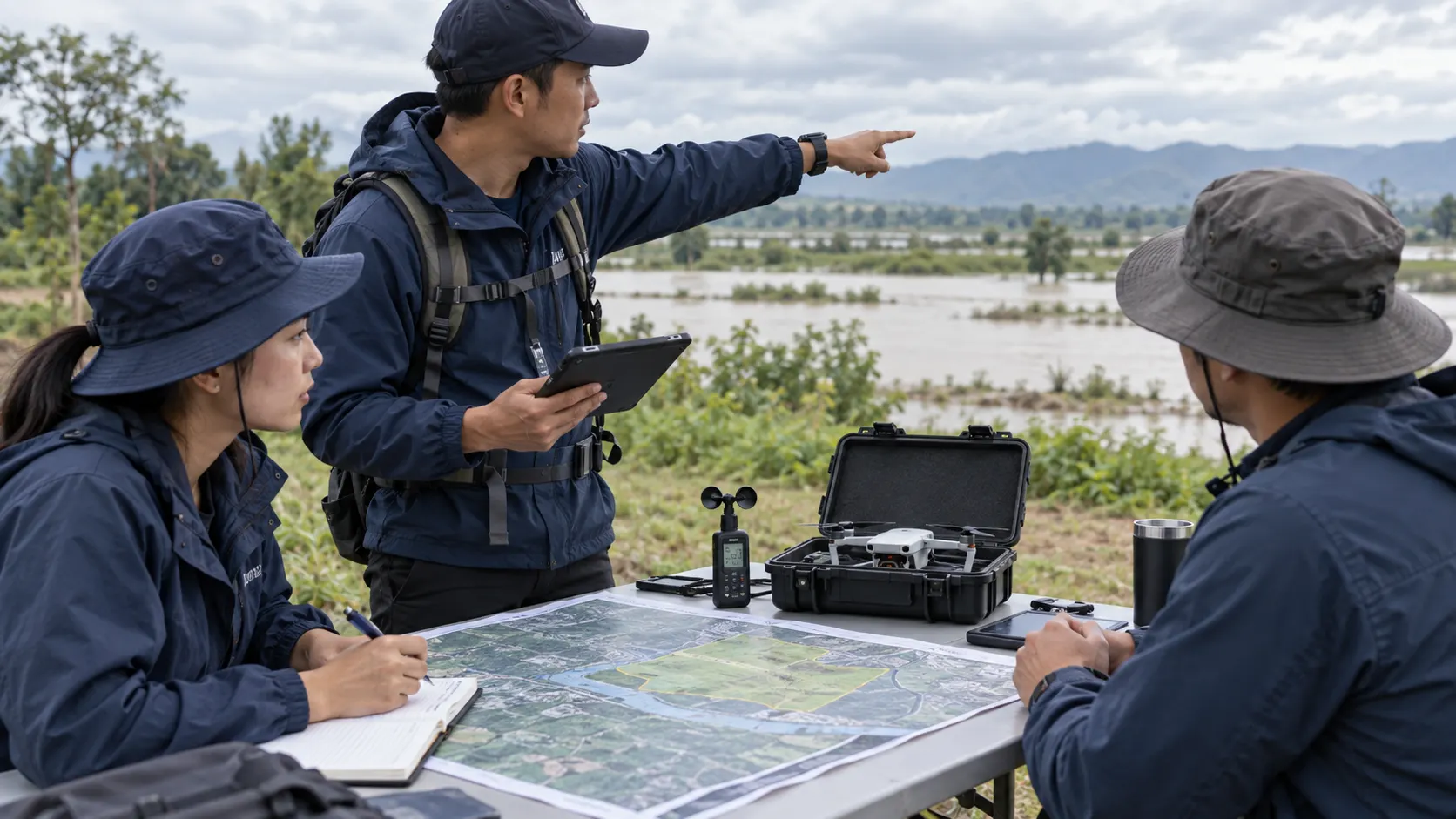
Use evidence from real hands-on work to adjust lessons, timing, worksheets and assessment criteria, separating understanding, website usability and observable performance.
The protocol and recording forms are ready. There are no trial results with real learners or instructors in this round yet. Website and software checks are not a certification of the curriculum.
Start with a small round whose work can be checked
The proposal for the first round is 3–5 learners per target group, 1 instructor and 1 observer. The aim is to find sticking points, not a sample size that proves effectiveness statistically. Start with E01 or the split-checking lab that has reference program results, then expand to track-specific chapters whose environment is ready.
Let learners choose self-study or instructor-led study and record the mode. Do not combine results from the two modes without separating the assistance received. Use codes instead of names in analysis files, and explain the purpose/who has access before collecting data.
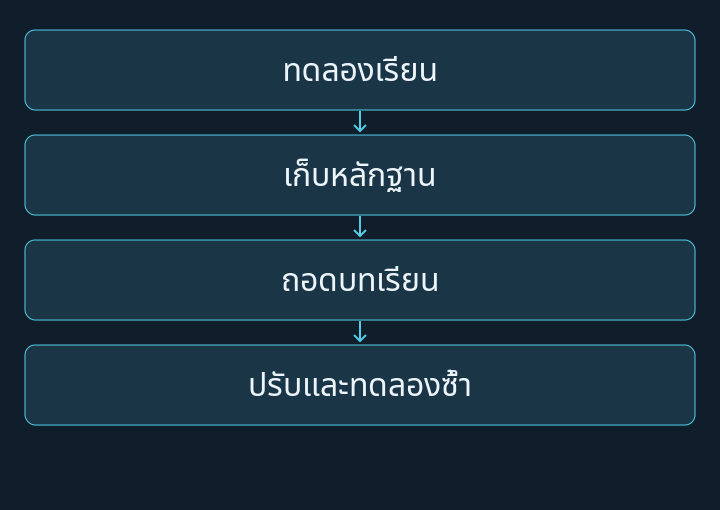
Trial sequence
- Before starting: record the lesson version, practice kit, OS and readiness; check that the tasks do not require equipment that has not yet been prepared
- Before class: use the short parallel tasks in assessment.md and have learners explain their reasoning without opening the answer key
- During class: record start/end times, sticking points and hints given by the instructor, without interpreting silence as understanding
- After class: check deliverables with the rubric and another task set, separate scores from satisfaction, and have each learner explain their reasoning individually
- After the round: summarise evidence-based findings, prioritise fixes, and re-trial the changed parts before expanding the group
Criteria for deciding to expand the round
- Fix problems that cause misunderstanding of legal requirements, data rights or test results before opening to a large group
- Learners can complete deliverables while separating what has been checked from what is still unknown, and instructors can trace them back
- Actual time and assistance are fully recorded; if learners cannot finish in time, adjust the activities and re-trial the timing
- Technician stations must have OEM guidance/an instructor/station trial results, and framework chapters must have a prepared and tested environment before the class opens
The draft scoring criterion of 75/100 with every critical item passed is used to adjust teaching. Its suitability must be reviewed against real results; it is not a flight certificate or a qualification.
Files the organiser must keep
protocol.md, readiness.csv, observation.csv, scores.csv, feedback.csv and improvement-log.csv are used together with assessment.md and rubric.md. The forms are blank rows with no generated learner data. Results are handed over in files the organiser chooses; the website does not upload results automatically.
Bibliography
- CDC, Quality Training Standards used for the approach to setting goals, activities and assessment for improvement
- Carnegie Mellon University, Align Assessments, Objectives, and Instruction used to link what is taught to the deliverables assessed
- FEMA, HSEEP used for the approach to observing exercises and planning improvements
The protocol, number of participants and scoring criteria are design proposals by PK-Research, not fixed requirements from these sources.