Tabletop exercises and after-action review
An exercise that people can learn from needs objectives, things to observe, and injects that test decision-making. The after-action review draws on evidence of what the team did and why; the feeling that the exercise went smoothly is not the sole score.
P04 · Practice lesson and case study
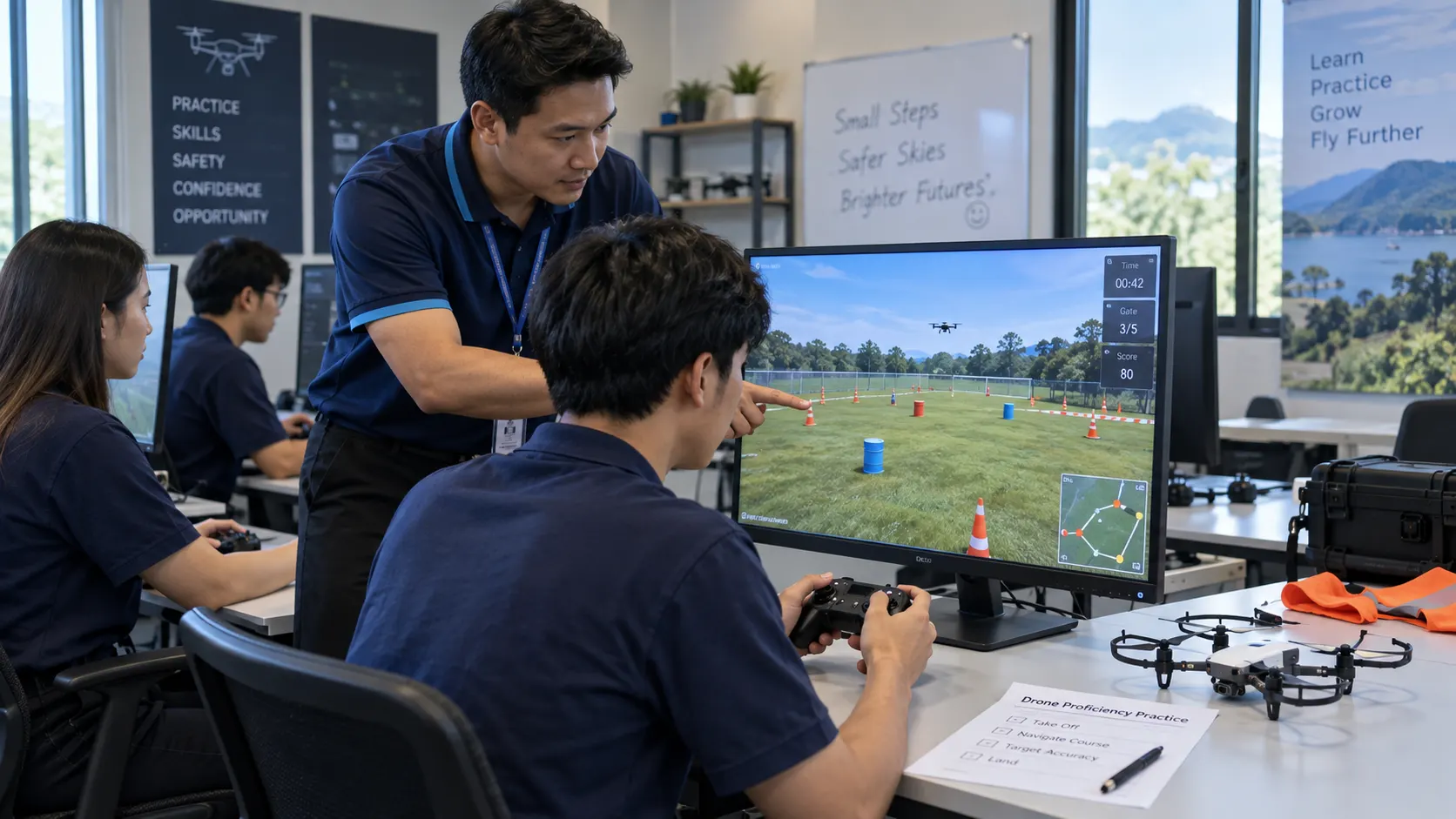
An exercise that people can learn from needs objectives, things to observe, and injects that test decision-making. The after-action review draws on evidence of what the team did and why; the feeling that the exercise went smoothly is not the sole score.
Before you start
Use a Windows or Linux computer, read CSV files with a spreadsheet program or text editor, and save your own working files separately from the originals. The basic Python kit uses the standard library; actual AI programs and simulators have separate installation steps.
- Forming the team and incident-coordination SOPs →
- Imagery and map data to support incidents →
- Preserving evidence and handing over data →
By the end of this lesson
- Respond to injects while recording reasoning and coordination
- Summarise improvement points with owners and re-check dates
Task and hands-on steps
At +0 minutes a survey request is received; at +10 the coordinates arrive transposed; at +20 the recipient asks to publish images that have not yet been checked; at +30 a file arrives with a mismatched hash. Use tables and computers; there is no real flight mission.
Extract the ZIP, then open P04-guide.md and P04-worksheet.csv . Keep assumptions and verified results separate. A blank in the worksheet means data still needs to be collected, not that it has passed.
- The instructor assigns operators, observers and coordinators, and tells learners the criteria before starting
- Release the injects in sequence and collect each person's answers and reasoning, without revealing the answers in advance
- Compare what happened against the criteria for coordinates, data and handover, citing the timestamps of the evidence
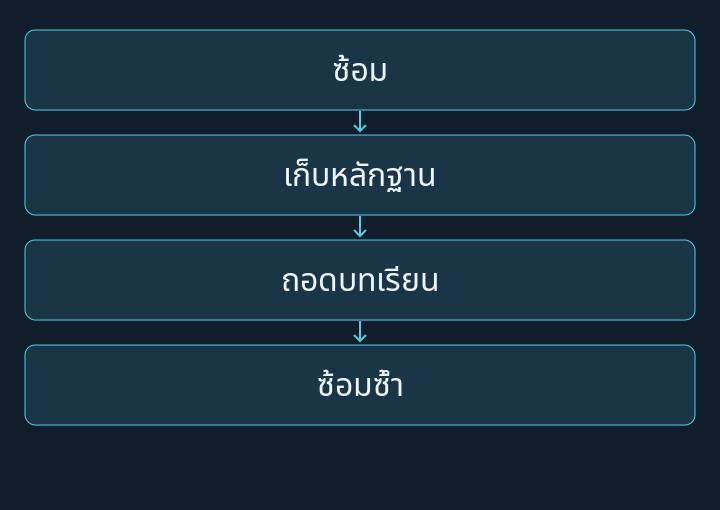
- Conduct the AAR: what to keep, what to fix, task owners, review dates and injects for the repeat exercise
Deliverables and assessment criteria
Submit: tabletop log and after-action report
Key criteria: All errors embedded in the practice kit are detected; every learner can explain their own decisions
Attach files that can be opened and checked, with dates, data versions and reasons where no conclusion can yet be drawn. Completing the worksheet does not replace actual test results with models or equipment, or a real skills assessment.
Show the suggested answer after completing the worksheet
Coordinates must be checked before use; images whose rights/quality have not been checked are not published; files with a mismatched hash are separated from copies that pass. Everyone can explain their own decisions.
Activity plan for instructors
The advanced level adds conflicting requests and late data, then swaps roles and repeats the exercise, using the same criteria for a fair comparison.
Review question: Was the slower outcome caused by the data, the tools or the coordination?
| Learning set | Explain | Practice | Assess | Including equipment stations |
|---|---|---|---|---|
| Public Safety, foundation level | 45 minutes | 105 minutes | 30 minutes | 0 minutes |
| Public Safety, advanced level | 105 minutes | 240 minutes | 75 minutes | 0 minutes |
Equipment-station time is part of the total time in the plan and is not added again. Instructors separate PC results from observed tasks and have each learner explain their own work before revealing the suggested answer.
See the full-track activity plan and foundation extensions →Bibliography and scope of citation
Additional sources checked 9 September 2569 (2026). Hypothetical cases, figures, worksheets and activity criteria were newly written by PK-Research.
- FEMA, HSEEP training and exercise evaluation
Uses the approach of objectives, observation and post-exercise improvement; the inject table is newly written
- NIST, Aerial Drone Tests
Supports measuring repeatable tasks; our exercises are not NIST certification