C2 and abnormal events in simulation
C2 is the command and control link, payload imagery is mission data, and DAA concerns detecting and avoiding. Having imagery sent back does not confirm that C2 is sound or that DAA capability exists.
B03 · Exercises and case studies
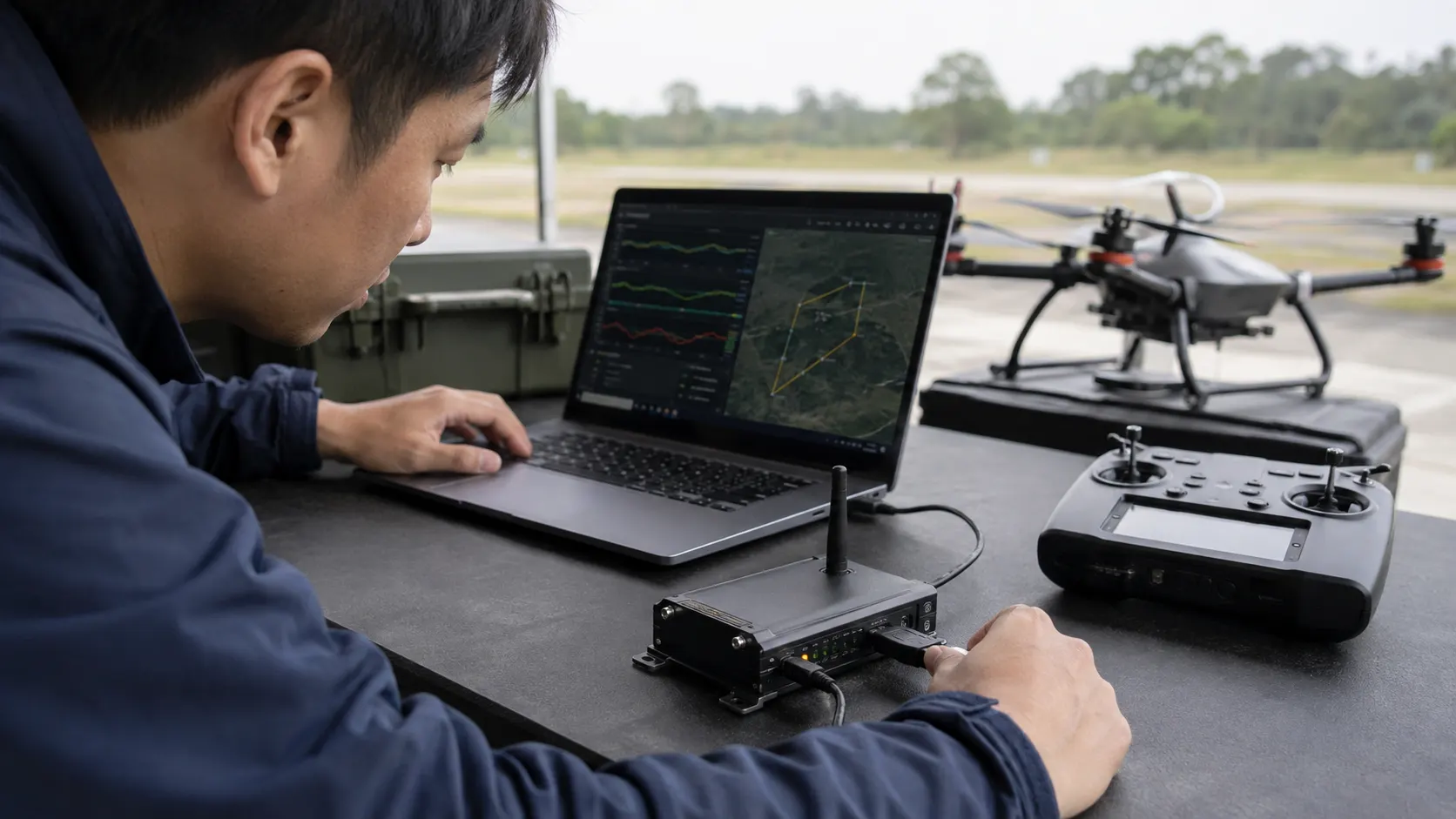
C2 is the command and control link, payload imagery is mission data, and DAA concerns detecting and avoiding. Having imagery sent back does not confirm that C2 is sound or that DAA capability exists.
Only the practice set's state machine has been run and checked; installing ArduPilot/PX4 and failsafes in SITL requires additional run evidence.
Before you start
Use a Windows or Linux computer, read CSV files with a spreadsheet program or text editor, and save your own work files separately from the originals. The basic Python set uses the standard library; actual AI programs and simulators have separate installation steps.
By the end of this lesson
- Explain the differences between C2, payload data and DAA
- Compare simulated behaviour and record results when conditions change
Task and hands-on steps
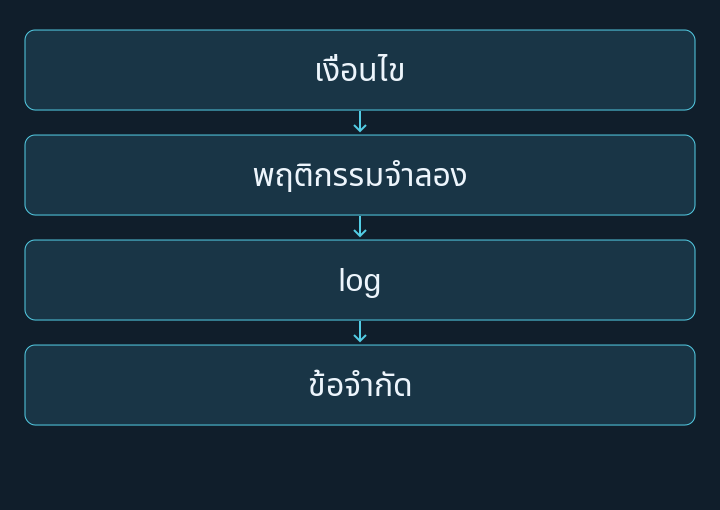
The learning model has three states, connected, warning and timeout, and takes a list of heartbeat ages of 0, 1, 3 and 7 seconds, comparing timeouts of 5 and 10 seconds. It does not command a drone or simulate flight.
Extract the ZIP and open B03-guide.md and B03-worksheet.csv . Keep assumptions and verifiable results separate. A blank in the worksheet means data must be collected, not that it has passed.
- Run python practice.py link and read the results for both thresholds.
- Record the conditions and the differing states, keeping inputs separate from decision outputs.
- Design a follow-on SITL experiment based on the ArduPilot manual, and keep the version/parameters/logs if actually installed.
- Summarise which questions this small model can answer and how it does not simulate radio propagation, autopilot failsafes or collision risk.
Deliverables and assessment criteria
Submit: simulation experiment log
Key criteria: keep the version, parameters, conditions and results for at least 2 scenarios; state the scope of inference.
Attach files that can be opened and checked, with the date, data version and reasoning where conclusions cannot yet be drawn. Completing the worksheet does not replace test results with real models or equipment or a real skills assessment.
Show the suggested answer after completing the worksheet
An age of 7 seconds exceeds a timeout of 5 but not 10. Changing the threshold only changes the state; it does not prove a safe threshold for a drone.
Activity plan for instructors
The instructor adds a heartbeat that returns or data that arrives late, and has learners design a recovery rule before testing and explain the results that have not yet been checked.
Review question: is object detection imagery alone sufficient as DAA?
| Learning set | Explanation | Practice | Assessment | Including equipment stations |
|---|---|---|---|---|
| BVLOS and risk assessment | 60 minutes | 135 minutes | 45 minutes | 0 minutes |
Equipment station time is part of the total time in the plan and is not added twice. The instructor separates PC results from observed tasks and has each learner explain their work individually before revealing the suggested answer.
See the full-track activity arrangement and foundation extensions →Bibliography and scope of references
Additional sources checked 9 September 2026 (B.E. 2569). The hypothetical cases, numbers, worksheets and activity criteria were newly compiled by PK-Research.
- ArduPilot, Software In The Loop
A real simulator source; our state machine example does not simulate flight dynamics.
- ArduPilot, SITL on Windows using WSL
Windows/WSL installation guidance; versions and run results must be recorded separately.