Reviewing the dossier and explaining limitations
A reviewable dossier should start from the conclusions and let the reader trace them straight back to the source evidence. Each issue must have a version and a revision log, and open issues should not be hidden to make the dossier look complete.
B04 · Exercises and case studies
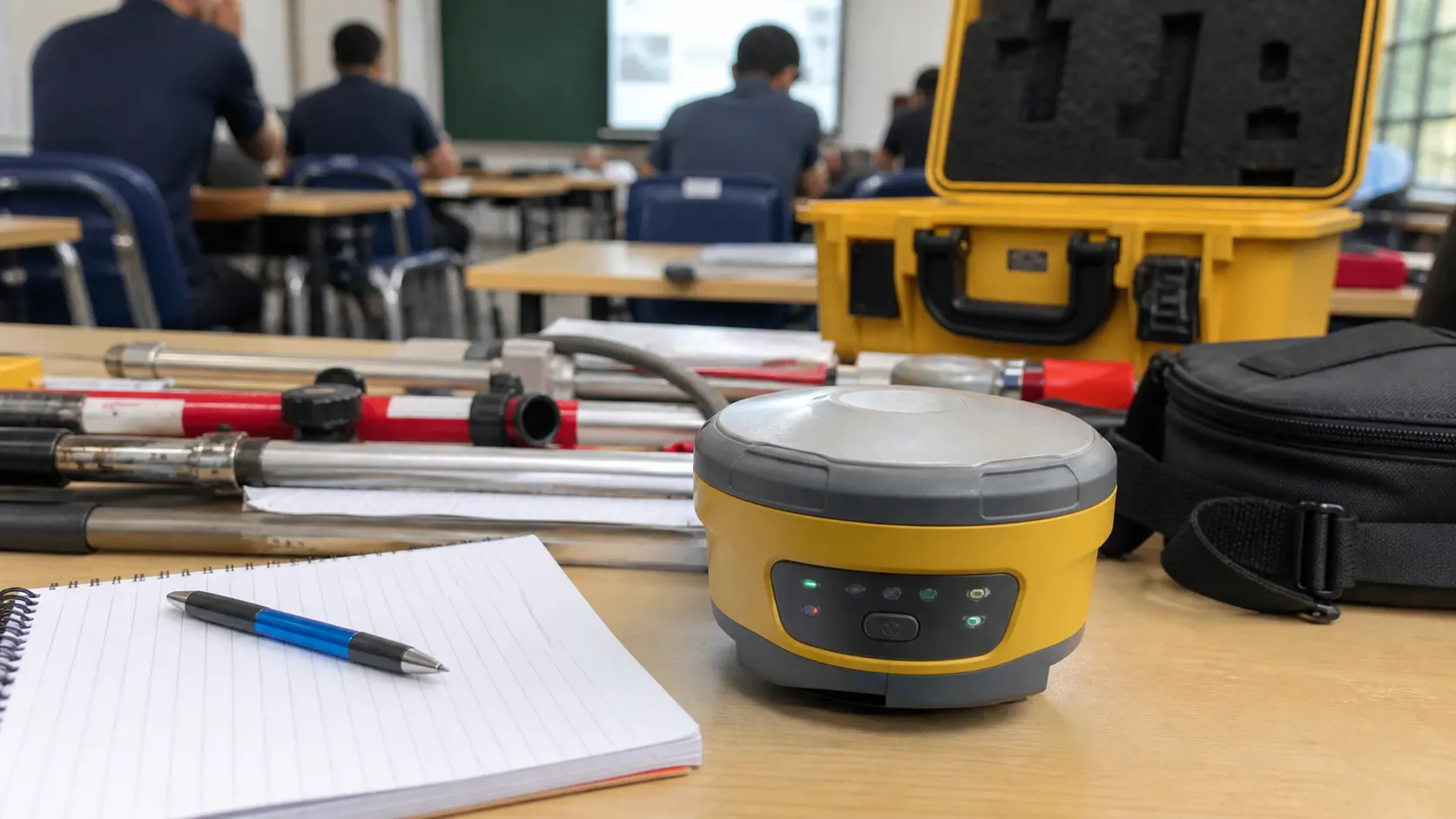
A reviewable dossier should start from the conclusions and let the reader trace them straight back to the source evidence. Each issue must have a version and a revision log, and open issues should not be hidden to make the dossier look complete.
Before you start
Use a Windows or Linux computer, read CSV files with a spreadsheet program or text editor, and save your own working files separately from the originals. The basic Python kit uses the standard library; real AI programs and simulators have separate installation steps.
By the end of this lesson
- Trace back from conclusions to the source evidence
- Revise the dossier after peer review and record the issues that remain open
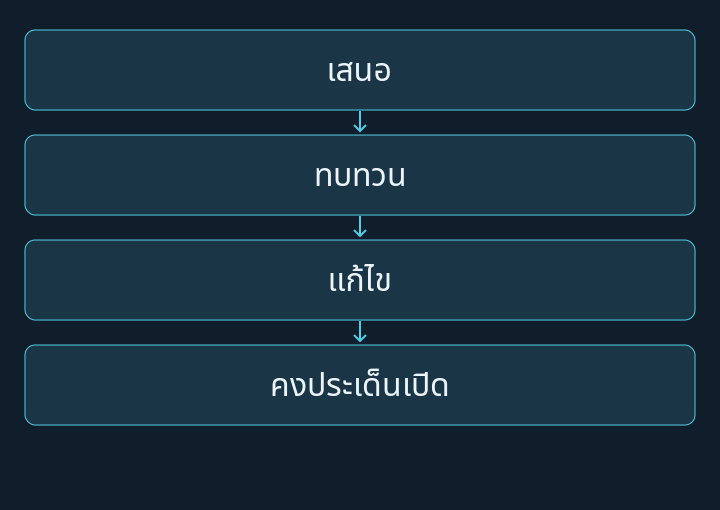
Task and hands-on steps
The practice dossier states that C2 testing is complete, but attaches only the state machine results and an undated map. Act as a reviewer who has never read this project before.
Unzip the archive and open B04-guide.md and B04-worksheet.csv . Keep assumptions and verifiable results separate. A blank field in the worksheet means data must be collected, not that it has passed.
- Create claim IDs and identify the file/section that supports each conclusion
- Check whether the evidence covers the same system, time and conditions as the mission
- Create an issue log stating what must be fixed, the owner and how the issue will be closed
- Issue a new version of the dossier with a list of revisions and the issues still open, without recording any flight authorisation status
Deliverables and assessment criteria
Submit: reviewed dossier and issue log
Key criteria: key conclusions are traceable; open issues have owners; no claim of flight authorisation
Attach files that can be opened and checked, dates, data versions and reasons where no conclusion can yet be drawn. Completing the worksheet does not replace experimental results with real models, equipment or skills assessments.
Open the answer guide after completing the worksheet
The C2 claim is broader than the evidence. Its scope must be narrowed to match the simulation, and real C2 testing kept as an open issue. The map's data source and date must be checked.
Activity plan for instructors
Run a mock review with two teams; have the proposers explain the evidence by opening the actual files, and record how conclusions change after questioning.
Review question: As a reviewer, what additional evidence would you request first?
| Learning set | Explain | Practise | Assess | Including equipment stations |
|---|---|---|---|---|
| BVLOS and risk assessment | 60 min | 135 min | 45 min | 0 min |
Equipment station time is part of the total time in the plan and is not added again. Instructors separate PC results from observed tasks and have each learner explain their own work before opening the answer guide.
See the full-track activity arrangement and basic extensions →Bibliography and scope of references
Additional sources checked on 9 September B.E. 2569 (2026). Hypothetical cases, figures, worksheets and activity criteria were newly compiled by PK-Research.
- JARUS, Publications: SORA release packages
The v2.5 package index was checked; case-by-case acceptance by CAAT has not been confirmed, and risk classes are not calculated in this lesson.
- CAAT, Operating criteria differ from conditions
You must read the notification and the amendments that apply to the actual mission before submitting.
- CAAT, Amendment Notification No. 2
Used together with the main notification; this lesson does not certify flight authorisation.