Defining the mission concept
A mission concept explains what will be done, where, when, and with which system and people. It must include the area around the work and changes that could invalidate the assumptions. A good-looking map that does not state the time and boundaries is not yet sufficient for review.
B01 · Exercises and case studies
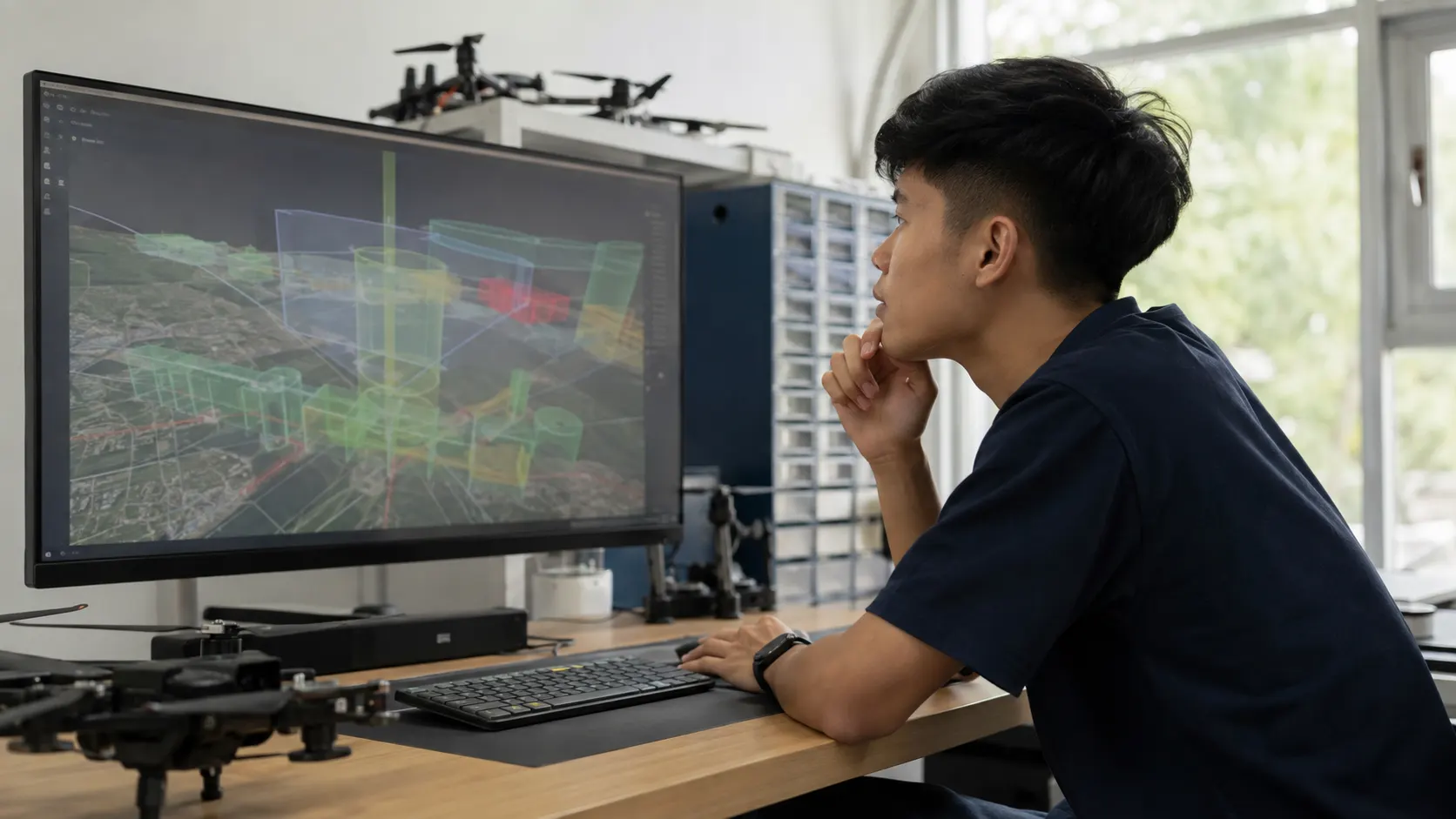
A mission concept explains what will be done, where, when, and with which system and people. It must include the area around the work and changes that could invalidate the assumptions. A good-looking map that does not state the time and boundaries is not yet sufficient for review.
Before you start
Use a Windows or Linux computer, read CSV files with a spreadsheet program or text editor, and save your own work files separately from the originals. The basic Python set uses the standard library; AI programs and real simulators have separate installation steps.
By the end of this lesson
- Identify the area, time, environment and stakeholders in a hypothetical case
- Separate known boundaries from assumptions that need checking
Task and hands-on steps
A hypothetical mission to survey a 2 km canal corridor on a practice map, with road crossings and areas whose land use is not yet known. The numbers are for setting up the exercise, not an authorised distance.
Extract the ZIP and open B01-guide.md and B01-worksheet.csv . Keep assumptions and verified results separate. A blank field in the worksheet means data must be collected, not that it has passed.
- Draft a concept map and separate known/unknown areas without presenting it as a real flight plan
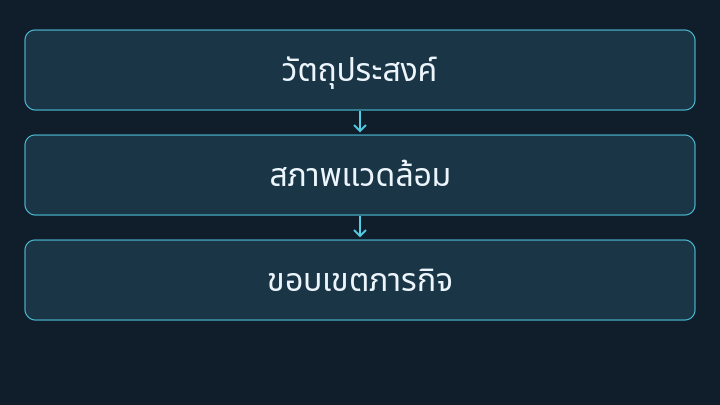
- State the objective, system, stakeholders, time and recipient of the output
- Build an assumption register with the data owner and verification method, e.g. road use during the mission period
- Define the triggers for revisiting the concept and link the requirements from the relevant CAAT issuances
Deliverables and assessment criteria
Submit: mission concept pack
Key criteria: includes a map, boundaries, responsible persons, data sources and assumptions; not presented as a permit
Attach files that can be opened for review, the date, data version and reasons where conclusions cannot yet be drawn. Completing the worksheet does not replace experimental results with models or equipment, or an assessment of real skills.
Open the suggested answers after completing the worksheet
Not seeing people in an old image does not prove there will be no people on the day of operation. Unknown areas must be recorded as evidence gaps with follow-up checks.
Activity plan for instructors
Change the mission time or land use, then check which conclusions must be reassessed before submitting the concept for expert review
Reflection question: What lies outside the boundary that this plan does not yet cover?
| Learning set | Explain | Practise | Assess | Including equipment stations |
|---|---|---|---|---|
| BVLOS and risk assessment | 60 minutes | 135 minutes | 45 minutes | 0 minutes |
Equipment-station time is part of the total time in the plan and is not added again. The instructor separates PC results from observed tasks and has each learner explain their work individually before opening the suggested answers.
See the full activity sequence and basic extensions →Bibliography and scope of references
Additional sources checked 9 September B.E. 2569 (2026). The hypothetical cases, numbers, worksheets and activity criteria were newly compiled by PK-Research.
- JARUS, Publications: SORA release packages
Index of set v2.5 checked; case-by-case acceptance by CAAT has not been confirmed, and risk classes are not calculated in this lesson.
- CAAT, criteria for operations that differ from the conditions
The notification and amendments applicable to the real mission must be read before submission
- CAAT, Amending Notification No. 2
Use together with the main issuance; this lesson does not certify flight authorisation