Evidence-based risk assessment
Risk mitigations must explain their mechanism and evidence. For example, designating a controlled area requires a way to actually control it; merely writing the name of a mitigation in a table does not confirm its effectiveness
B02 · Exercise and case study
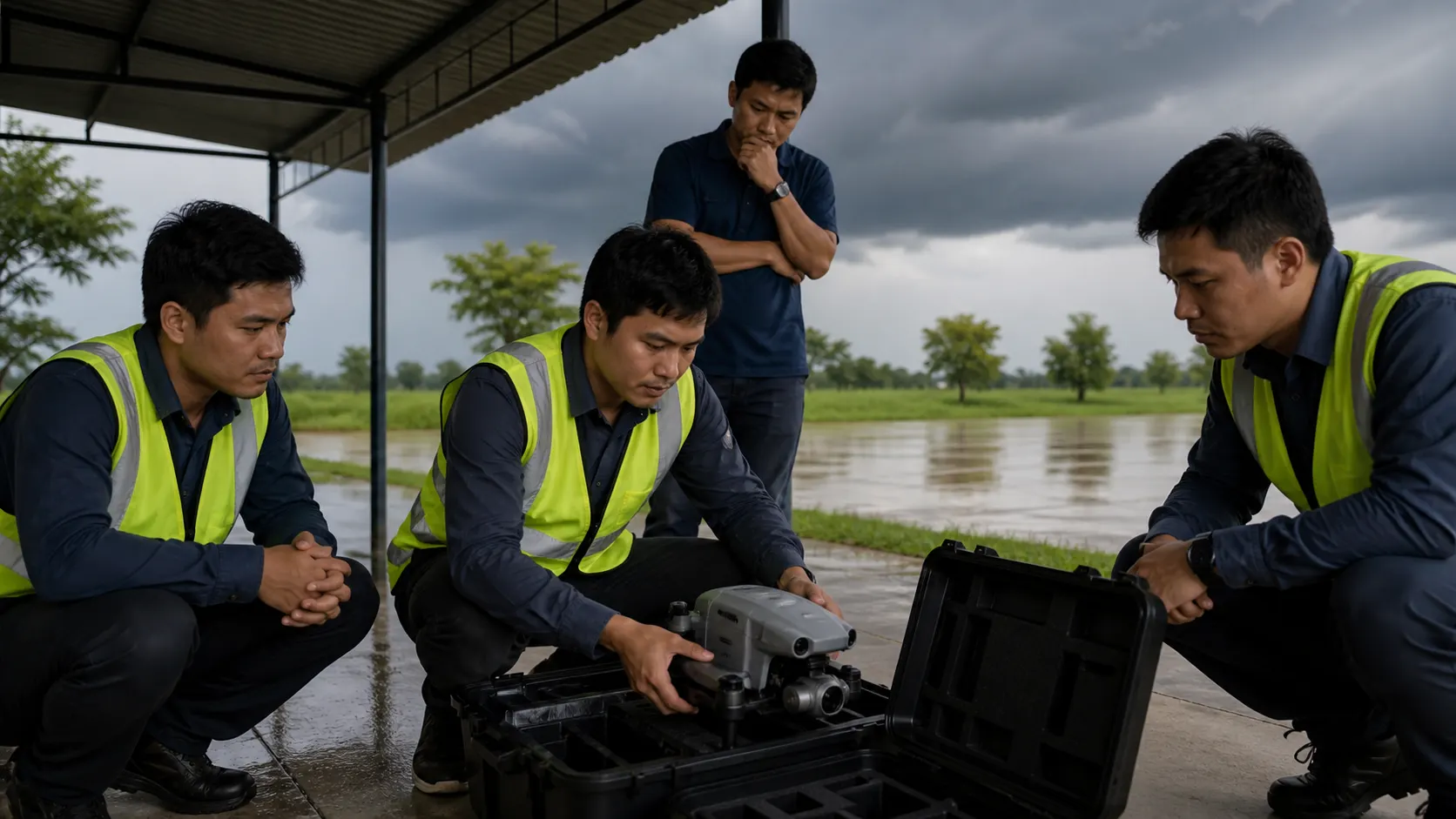
Risk mitigations must explain their mechanism and evidence. For example, designating a controlled area requires a way to actually control it; merely writing the name of a mitigation in a table does not confirm its effectiveness
Before you start
Use a Windows or Linux computer, read CSV files with a spreadsheet program or text editor, and save your working files separately from the originals. The basic Python set uses only the standard library; the actual AI programs and simulators have separate installation steps
By the end of this lesson
- Link risks to mitigations and evidence according to a framework with a stated version
- Identify uncertainties and items that cannot yet be assessed
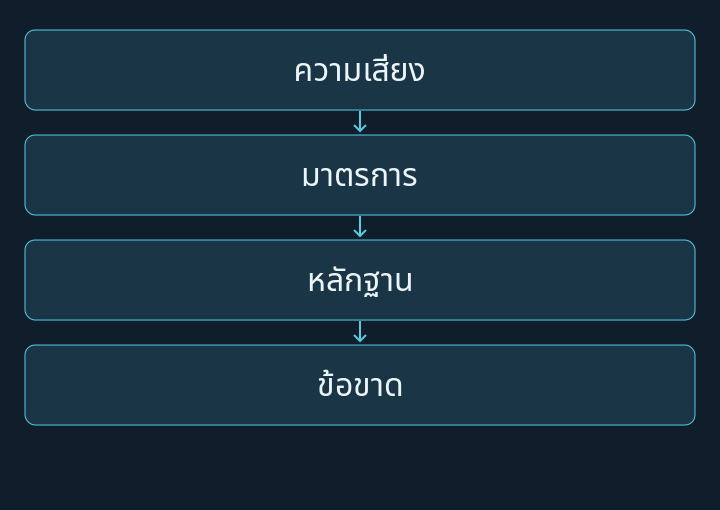
Task and hands-on steps
A team claims that “fitting an AI camera makes it safe” and “there is a fence on the map, so no one will enter the area”, without test results or area inspection records. Review both claims
Extract the ZIP, then open B02-guide.md and B02-worksheet.csv . Keep assumptions and verified results separate. A blank field in the worksheet means data must be collected, not that it has passed
- Put hazards, consequences, mitigations and evidence in separate columns
- Write how each mitigation works, who is responsible for it and how it can fail
- Label evidence as observed/documented/pending, together with the scope it covers
- State the version of the SORA framework studied and the items that need expert review, without guessing GRC, ARC or SAIL values
Deliverables and assessment criteria
Submit: risk evidence matrix
Key criteria: every mitigation has evidence or a gap; no risk class is assigned by guessing; the SORA worksheet must be reviewed by an expert before use
Attach files that can be opened and checked, the date, the data version and your reasoning where no conclusion can yet be drawn. Completing the worksheet does not replace actual tests with models or equipment, or a real skills assessment
Open the model answer after completing the worksheet
Neither claim is sufficient. A detection camera is not a complete aircraft avoidance system, and a fence on a map does not confirm real-time control of the area
Activity plan for instructors
Have another team of learners try to find cases where the mitigations fail, then revise the evidence or narrow the scope of the claims in a traceable way
Review question: by what mechanism does this mitigation reduce risk, and what evidence is there?
| Learning package | Explain | Practise | Assess | Including equipment stations |
|---|---|---|---|---|
| BVLOS and risk assessment | 90 minutes | 210 minutes | 60 minutes | 0 minutes |
Equipment station time is part of the total time in the plan and is not added again. Instructors keep PC results separate from observed tasks and have each learner explain their work individually before opening the model answers
See the full activity sequence and basic extensions →Bibliography and scope of references
Additional sources checked 9 September B.E. 2569 (2026). The hypothetical case, figures, worksheet and activity criteria were newly compiled by PK-Research
- JARUS, Publications: SORA release packages
The v2.5 package index was checked; case-by-case acceptance by CAAT has not been confirmed, and risk classes are not calculated in this lesson
- CAAT, criteria for operations differing from the conditions
The notification and amendments that apply to the actual mission must be read before submission
- CAAT, Amendment Notification No. 2
Use together with the main notification; the lesson does not certify flight authorisation